coast
Capo d'Orlando
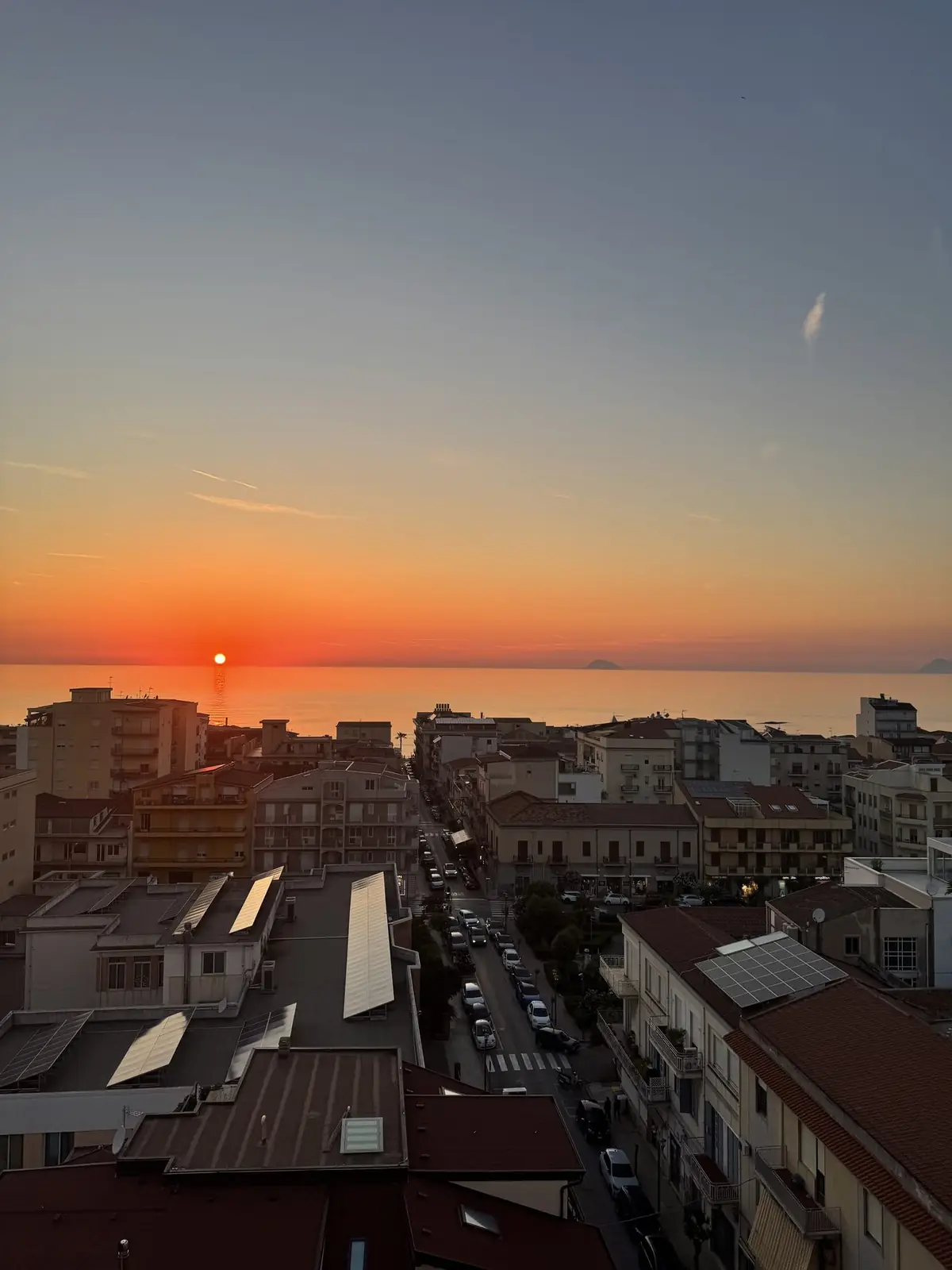
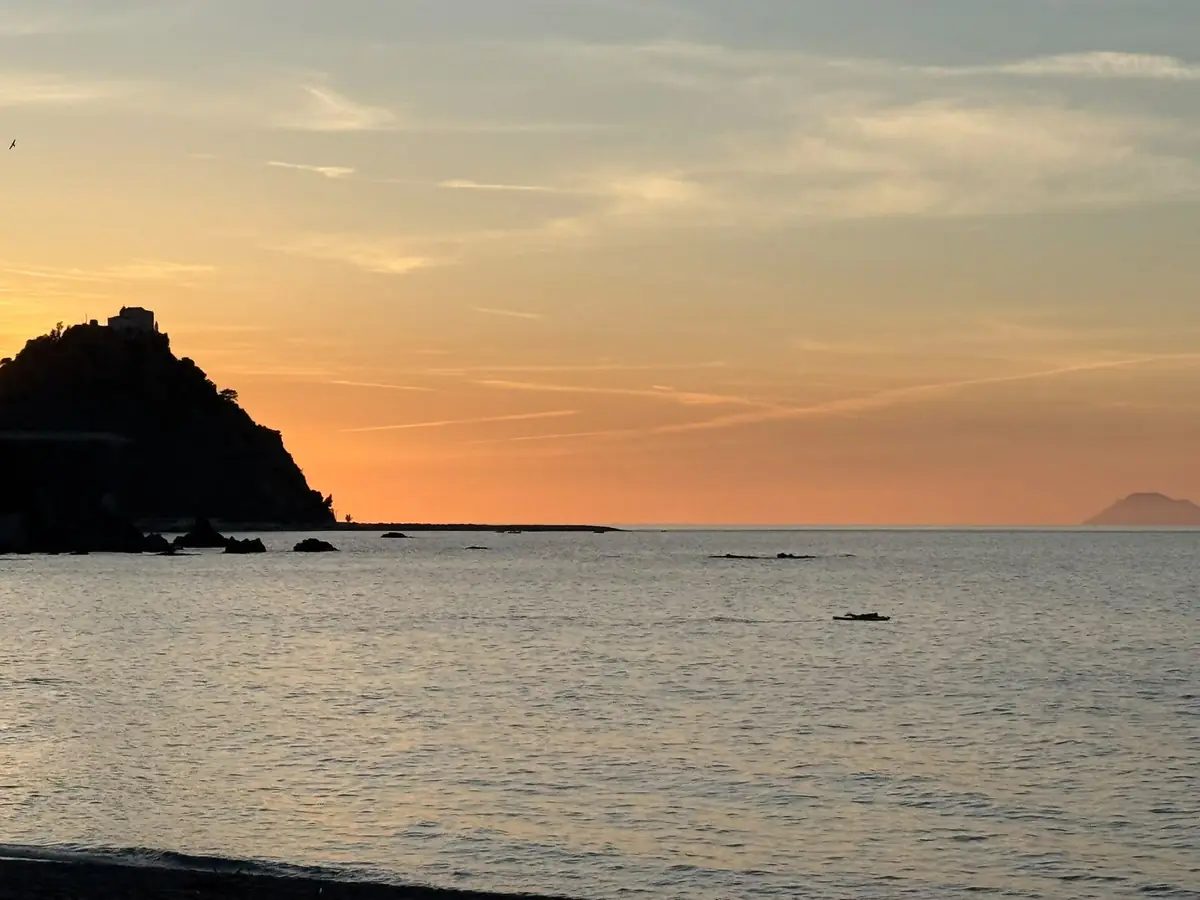
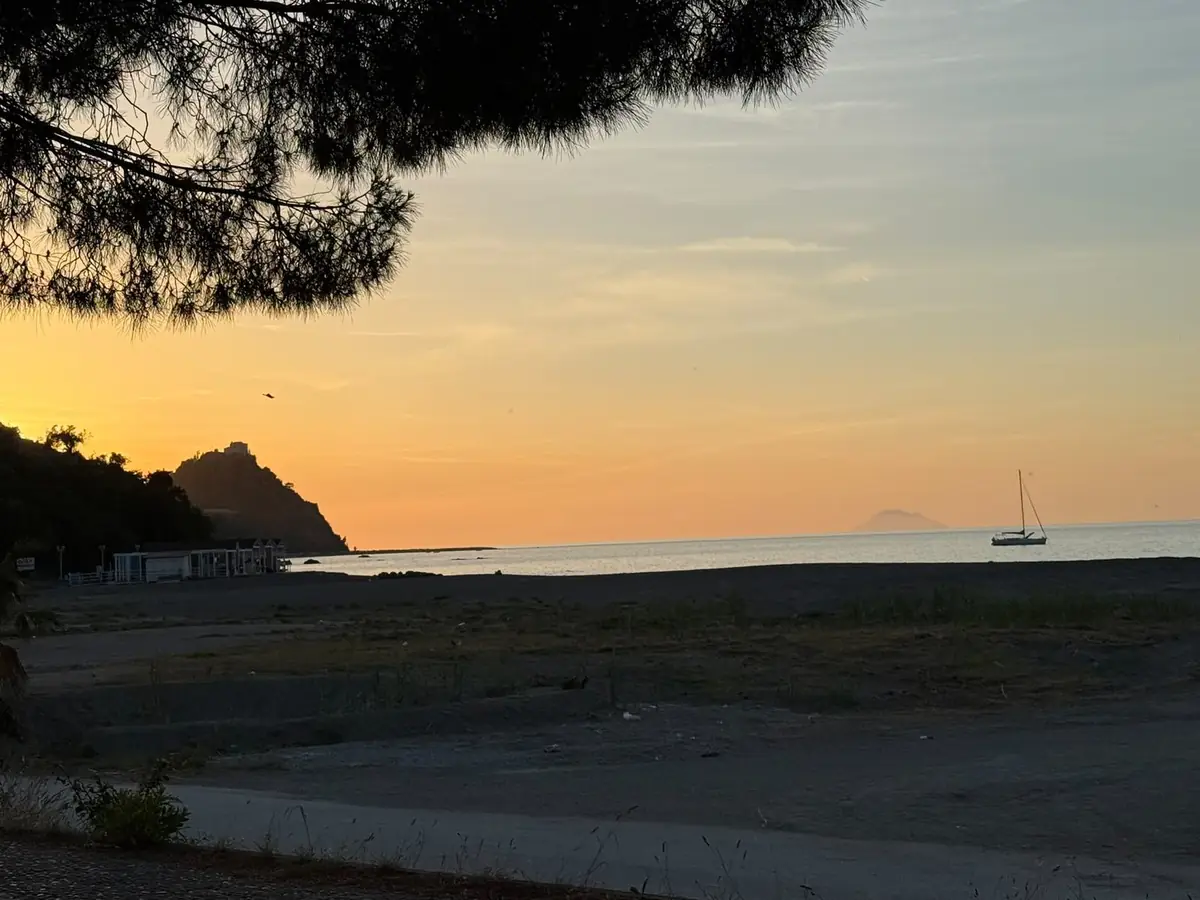
A headland pushing into the Tyrrhenian with a lighthouse at its tip and a sanctuary on top: the perfect base between the ferry port for the Aeolians and the beech forests of the Nebrodi.
- Monte della Madonna and the lighthouse
- Andrea Doria seafront
- Villa Piccolo di Calanovella
- The marina
- The Roman baths of Bagnoli
- Castello Bastione
- Borgo San Gregorio
Monte della Madonna and the lighthouse
You can climb the headland on foot or by car: at the top sit the Sanctuary of Maria Santissima di Capo d'Orlando and the remains of the castle, with a view that runs the whole coast to Cefalù on clear days. Below, the lighthouse on the point is the town's symbol.
The Andrea Doria seafront
The seaside promenade, with dark sand and rocks. It's where the town lives in the evening: gelaterie, bars and families out late.
Villa Piccolo di Calanovella
The house-museum of the Piccolo barons, cousins of Tomasi di Lampedusa, set in a park: manuscripts, watercolours and the library of a family that crossed the Sicilian twentieth century. Check opening hours before going.
The Roman baths of Bagnoli
Three kilometres from the centre, in the Bagnoli district, lie the remains of a Roman bath complex from the 3rd-4th century AD, part of a grand villa: eight rooms in three sections, brought to light in 1987 during excavation work. It is the most concrete evidence that people already lived well here two thousand years ago. Under ten minutes by car, or by town bus from the station.
The Cave del Mercadante
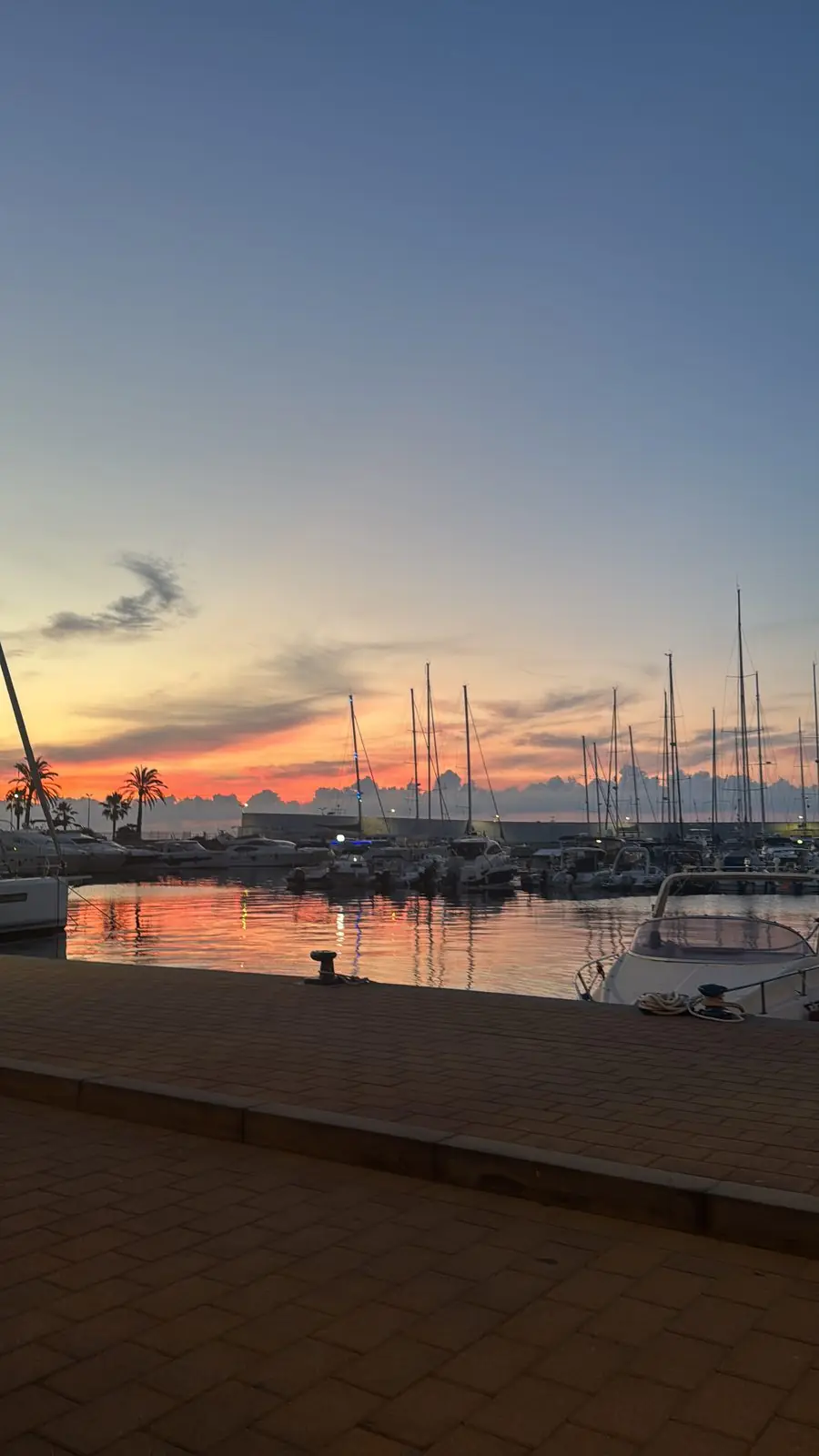
Inside the marina, between its two arms, at low tide something inexplicable surfaces from the rock: a hundred metres of sandstone carved with large circular discs, grooves some ten centimetres deep and one to two metres across. Locals call them rocchi, and the site is the Cava del Mercadante. They emerged during the excavation for the harbour, in the same years the Roman baths were found nearby. Nobody knows what they were for. Millstones was long the accepted theory, but the municipality itself now rules it out: the sandstone is too soft. Other guesses point to column drums, or to moorings for ships. The mystery holds — and to see them you have to get the tide right.
Castello Bastione and the Antiquarium
The Castello Bastione, which locals also call the Torre del Trappeto, probably dates to the 14th century and is tied to a crop that has vanished here: the cannamele, the sugar cane plantations that covered this plain in the Middle Ages. Today it is restored and hosts events and open-air cinema. Nearby, the municipal Antiquarium «Agatirnide» holds finds going back to the 12th century BC — the three archaeological sites, with hours and access; in the Malvicino district stands another square bastion on three levels, raised to defend the land.
Agathyrnum, and the name
The ancient settlement was called Agathyrnum and appears in classical sources: the present name is far later. Tradition ties it to the paladin Orlando — Roland of the Carolingian cycle — and holds that Charlemagne himself named the headland. There is no proof, but the name stuck, and the paladin ended up on the town's coat of arms.
The village of San Gregorio
On the eastern shore, among the sea stacks, sits the old fishermen's quarter: a small square, a little church dedicated to Saint Gregory the Great, low houses facing the water. Until the mid-twentieth century there was no coast road: the only way to the centre was the Goletta path, over the hill. And here, in a house beside a deserted beach, in the summer of 1963 Gino Paoli wrote «Sapore di sale». The story →
A basketball town
There's a fact people here tell you with pride, and rightly so: with around thirteen thousand inhabitants, in the 2007-08 season this was the smallest town in Italy ever to play top-flight basketball. Orlandina Basket, founded in 1978 in a primary school yard, plays at the PalaFantozzi, 3,613 seats a kilometre from the corso. In winter, on a Sunday afternoon, the whole town is there. The story, and how to see a game →
Why it works as a base
From here, Milazzo port for the Aeolians is 45 minutes by car and the Nebrodi Park is right behind: you can alternate sea, islands and mountains without changing beds.
Trails on Capo d'Orlando
what to do in Capo d'Orlando →
Beaches
- San GregorioFamilies and children
A gently shelving seabed and lidos alternating with free stretches: the right choice with kids.
- Trazzera Marina and the centreA quick swim from the centre
Two steps from the main street: walk down after dinner or for a mid-morning swim, with every service nearby.
- Below the headlandSnorkelling
The clearest water on this coast: less suited to children, perfect for mask and fins.
- Testa di MonacoSpace and quiet
Towards Brolo, wider and breezier: when the town beaches fill up, here you can breathe. Good if you bring your own umbrella.
Stay
- B&B del Corso€€
On Via Francesco Crispi, in the heart of Capo d'Orlando: family-run, on the top floor of a historic building, with a 140 m² panoramic rooftop facing the Aeolians and breakfast served early for dawn departures.
- Casa del Corso€€
About 70 m² each, on the same floor as B&B del Corso: fully equipped kitchen, washing machine, double bedroom and a sofa bed in the living room, up to four people. With the 140 m² rooftop and the house RIB at your disposal.
From the guide
- Archaeology in Capo d'Orlando: baths, castle, AntiquariumGuide
Three sites minutes apart, and an ancient town people have argued about for five centuries. What you actually see, when it is open, and the things even the official sources do not say.
- Taormina as a day trip from Capo d'OrlandoGuide
The motorway and its two separate tolls, the car parks with the real tariffs as of August 2026, the cable car that shuts for months in winter, and the Ancient Theatre whose price the Region contradicts on its own website. Everything you need to do it in a day and come back to sleep.
- What to do in Capo d'Orlando when it rainsGuide
Two rainy days in July, ten in December. But the day it happens only ruins a holiday for people who don't know where to go: the museums, the villages, the waterfall that rain makes better, and why the sea stays cloudy after it stops.
- Staying in Capo d'Orlando: by the sea or in the centre?Guide
It's the first question people ask when booking here, and the answer is disarming: in Capo d'Orlando the seafront and the centre are the same thing, because the main street ends on the beach. What actually differs is something else — the car.
- Brolo: the castle, the beach and the landing of 1943Guide
Ten minutes east of Capo d'Orlando: a tenth-century castle on a spur of rock, a dark-sand beach sheltered from the north wind, and the night of 11 August 1943, when six hundred and fifty Americans landed here at three in the morning.
- Sea, weather and webcams in Capo d'OrlandoGuide
This coast faces north, and that explains everything: when the sea gets up, when the boats don't sail, which beach shelters, and why a southerly wind flattens the water here. Plus the webcams to check before you go out.
- The village of San GregorioGuide
A small square, a church, the fishermen's low houses facing the sea stacks. Until the mid-twentieth century you could only get here on foot — and in a house just across the water Gino Paoli wrote «Sapore di sale».
- What to do this evening in Capo d'OrlandoGuide
It's seven o'clock, the beach day is over and the question is always the same. Here's how an evening works in this town — which changes a great deal between July and November.
- The best beaches in Capo d'OrlandoGuide
There is no «most beautiful one» — there's the right one for your day. Within two kilometres of coast the seabed, exposure and depth all change: here's which to choose for children, for snorkelling, for windy days and for sunset.
- Piraino: the Guardiola and the Saracen TowerGuide
Twenty minutes of hairpins above Capo d'Orlando brings you to a white balcony hanging over the sea, with the coast from Capo d'Orlando to Milazzo in view and the Aeolians close enough to touch. Above it, an Arab tower from the 10th century.
- Capo Calavà: the closest point to the AeoliansGuide
A path runs along the edge of a ridge above the sea to the ruins of a watchtower. From up there the Aeolians look an arm's length away — and it isn't an illusion: this is the point on the Sicilian coast closest to the islands.
- Monte Soro, Maulazzo and Biviere: the high NebrodiGuide
An hour and a half of hairpins above Capo d'Orlando and you're at fifteen hundred metres, where Sicily stops looking like Sicily: beech forest, two lakes, free-roaming herds and fifteen degrees less than on the coast.
- Sleep on the Aeolians, or on the coast?Guide
It's the question that decides the holiday, and almost nobody asks it before booking. There is no right answer for everyone: there is a right answer for what you came to do.
- Is Capo d'Orlando worth it? The honest answerGuide
It isn't a town of art and it isn't a postcard. It's a base: you choose it for what you can do around it, not for the old centre. It suits some people very well and others not at all — better to know beforehand.
- Capo d'Orlando, Cefalù, Taormina or Milazzo: which baseGuide
Four places that resemble each other only on a map. Two are destinations to see, one is a port, and one is a base. The right question isn't which is finest, but which you'd rather set out from each morning.
- The feast of Maria Santissima, 22 OctoberGuide
At dawn a river of people climbs to the sanctuary on the headland. By late morning the statue comes down into the town. It is the most important day of the year in Capo d'Orlando, and the day everyone who lives far away comes home.
- Long stays in Capo d'Orlando: weeks and monthsGuide
Not everyone who sleeps here is on holiday. People supporting a relative in hospital, people working away, people who need to stay for weeks: two apartments with kitchens, in the centre, with weekly and monthly rates from October to May.
- «Sapore di sale» was written hereGuide
The definitive Italian summer song wasn't born on the Tuscan coast. It was written in Capo d'Orlando in 1963, during a month Gino Paoli hadn't planned to spend here — and which changed his mind about where he wanted to live.
- Villa Piccolo, the house of The LeopardGuide
Three siblings who might have stepped out of a novel, a poet discovered by Montale because of a postage error, and a room where Tomasi di Lampedusa wrote looking at the island that would give his prince his name. Fifteen minutes from the centre.
- Capo d'Orlando by bikeGuide
On 26 August 2026 Jovanotti set off from the Andrea Doria seafront at seven in the morning for a hundred and fifty kilometres to Palermo. That road starts here — and it isn't the only one.
- Monte della Madonna: sanctuary, castle and lighthouseGuide
The headland that gives the town its profile. Above, a sanctuary of 1600 built on the ruins of a castle; below, a lighthouse of 1904 flashing twice every twelve seconds. How to climb, what you see, and when to do it.
- Capo d'Orlando on foot: three walksGuide
«We have two hours — where should we go?» is the question we're asked most. Three routes you can walk without a car: the centre, the seafront out to the lighthouse and the lagoon, and the harbour circuit up to Scafa.
- Orlandina Basket: thirteen thousand people who reached Serie AGuide
Capo d'Orlando is the smallest town in Italy ever to play top-flight basketball. The club was born in a primary school yard and still fills a 3,600-seat arena on Sundays. How to see a game, and why it's the right reason to come in winter.
- Emergency and useful numbers in Capo d'OrlandoGuide
What to do and who to call if you need a doctor, a pharmacy at night or rescue at sea. The national numbers, where to go for urgent care here, and what to expect on the islands.
- Nolan's Odyssey was filmed right out thereGuide
In spring 2025 Christopher Nolan brought Matt Damon to Lipari, Vulcano and Basiluzzo to film the return of Odysseus. It wasn't a convenient choice: for Homer, these islands were the kingdom of Aeolus. Where he filmed, and what you can see yourself.
- Illustrious guests: who has passed through Capo d'OrlandoGuide
Not a list of celebrities spotted at the bar. Here, in a villa three kilometres from the corso, Tomasi di Lampedusa wrote part of The Leopard — and on these islands Rossellini, Troisi and Moretti all shot films.
- Sunset in Capo d'Orlando: where to watch it, and whenGuide
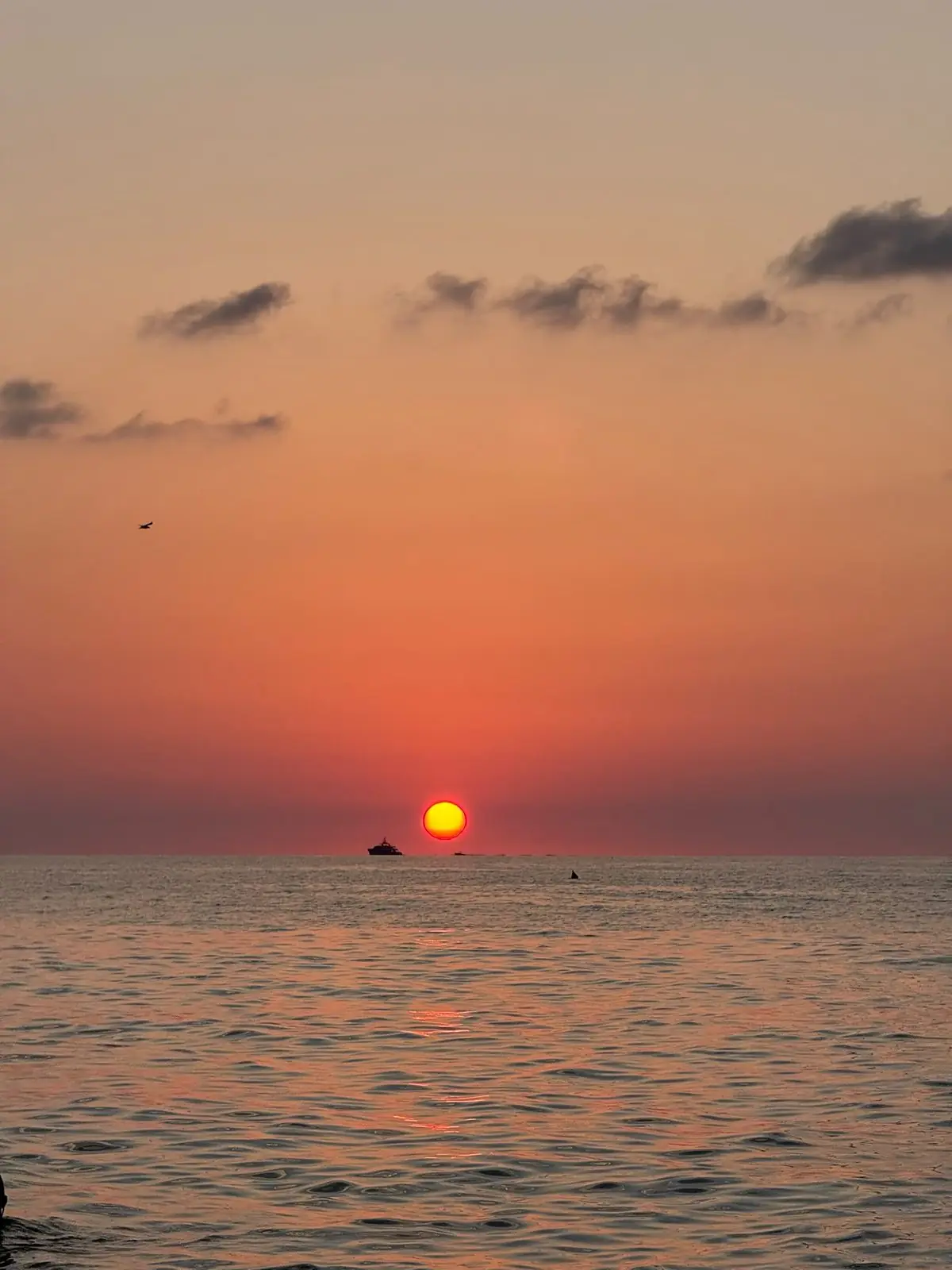
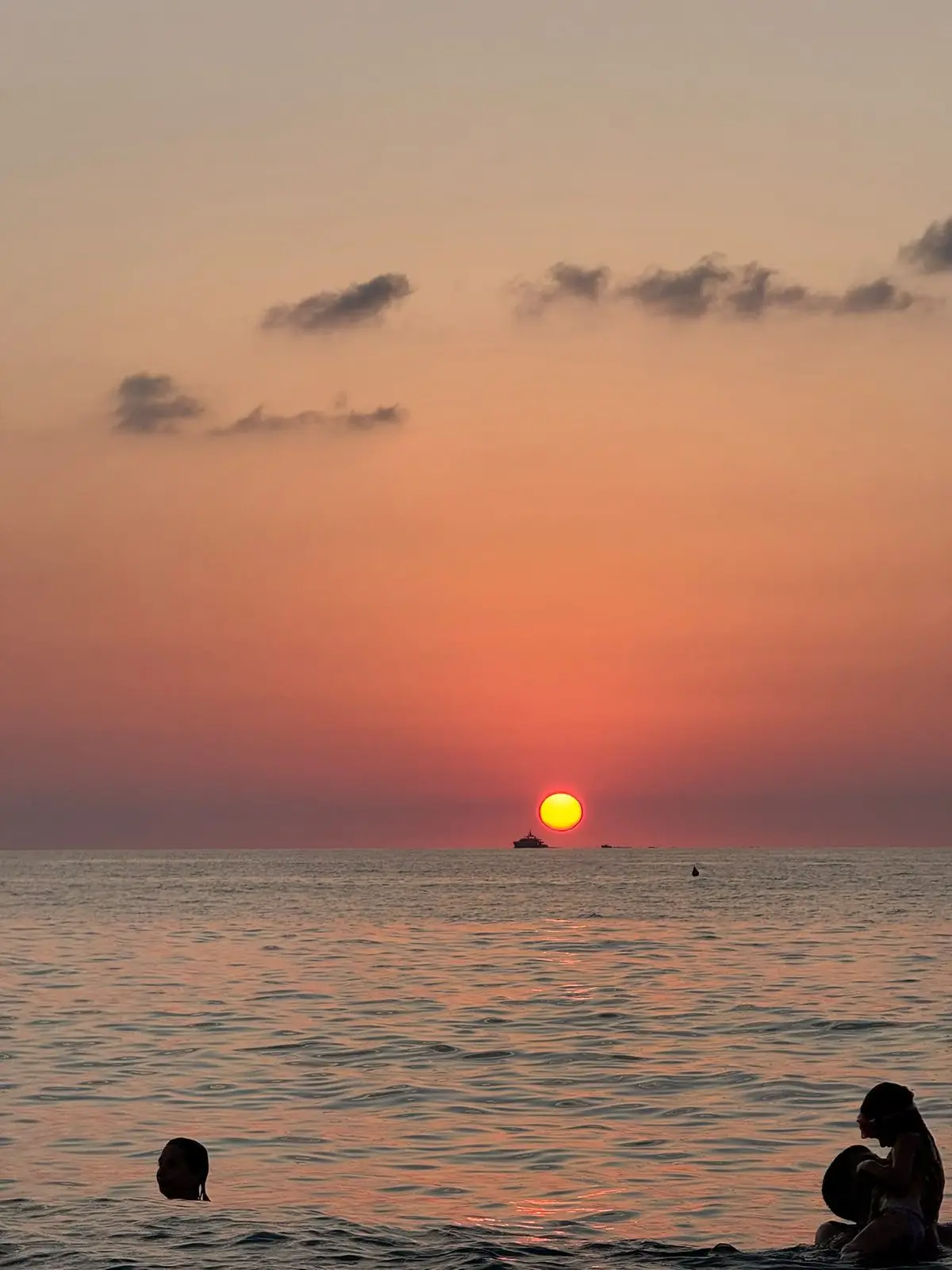
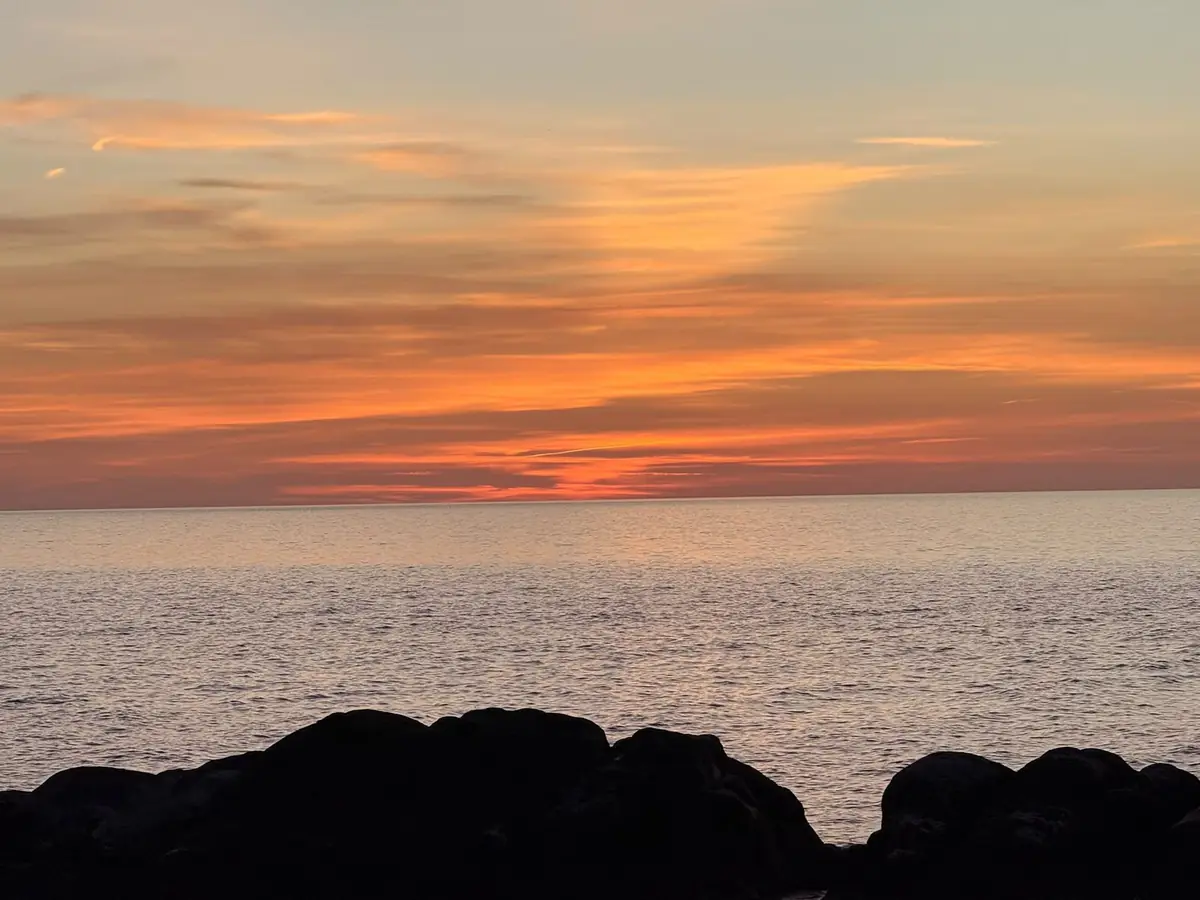
The sun drops into open sea and the Aeolian Islands sit in the same frame. That isn't brochure talk: it's a geographical combination you'll find in very few places in Italy. The six spots, the times month by month, and when the sun stops falling into the water.
- When to visit Capo d'Orlando: the right month for each tripGuide
In August you come for the sea and find half of Italy. In September the water is warmer than in June and prices have dropped. In October, the feasts. Month by month: temperatures, sea, crowds and what's happening.
- Which Aeolian island to chooseGuide
Seven islands, and they are not interchangeable. Choose badly and you'll end up on Alicudi looking for a restaurant, or on Panarea in August looking for silence. For each one: who it suits, how long you need, and what not to expect.
- Parking in Capo d'Orlando: how it really worksGuide
In summer, parking is the first problem for anyone arriving by car, and nobody writes it down. How the bays work, where to leave the car, what time to arrive, and why people arriving by train don't have this problem at all.
- The produce of this coast: what to eat, and whenGuide
A salami that is Sicily's only IGP, a Slow Food Presidium cheese, and the lemon that built this town's wealth. Between coast and mountain everything changes within half an hour's drive: what to look for, and in which season.
- The patron saint feasts of the Nebrodi, month by monthGuide
Thirty-three barefoot hooded penitents carrying a crucifix, two giants dancing through a village square, devotees running bare-chested in January. In the Nebrodi they celebrate twelve months a year: the full calendar, and the four not to miss.
- Getting to Capo d'OrlandoGuide
Two airports, one motorway, a railway station right in the centre. Which to choose depending on where you're coming from, how long it really takes, and why a car helps here — except in one case.
- Food festivals between Capo d'Orlando and the NebrodiGuide
On the coast they celebrate bluefish and granita; up in the mountains, mushrooms, hazelnuts and chestnuts. The real sagre of this area, month by month — and nearly all of them fall once prices have already dropped.
- Where to eat in Capo d'Orlando, without getting it wrongGuide
The names, grouped by kitchen and by area, with no scores and no rankings: fish, pizza, the grill, the marina, granita. Plus how locals spot a good place and the warning signs of tourist traps.
- Capo d'Orlando summer 2026: the events calendarGuide
Concerts in the square, open-air cinema, food festivals and author nights: from July to September the town's official programme — the Estate Orlandina — turns Capo d'Orlando into an open-air stage. The full calendar.
- The Aeolian Islands in a day from Capo d'OrlandoGuide
The Aeolians are the reason many people choose this coast. Day trips work — provided you pick the right island and the right timetable.
- The Nebrodi in a day: what lies behind the coastGuide
86,000 hectares of beech forest, lakes and pastures, with mountain roads that climb from sea level to 1,300 metres in an hour. It's the other half of the holiday, and almost nobody uses it.
- A weekend in the Aeolians: making it all fitGuide
Two nights are enough for a real taste of the archipelago — if you pick one base and don't chase everything.
FAQ about Capo d'Orlando
Is Capo d'Orlando a good base for the Aeolian Islands?
Yes: the main departure port, Milazzo, is about 45 minutes by car, with frequent hydrofoils to all the islands. In summer there are also seasonal connections from other harbours along the coast, to be checked case by case.
How many days do you need?
Two days cover the town: the headland and lighthouse, the seafront, Villa Piccolo and the marina. The real value is what surrounds it — the Aeolians and the Nebrodi as day trips.
What is Capo d'Orlando famous for?
Four things that have nothing to do with each other: Gino Paoli wrote «Sapore di sale» here in 1963; Orlandina Basket made this the smallest town in Italy to play in the top basketball league; Villa Piccolo, fifteen minutes from the centre, is the house where Tomasi di Lampedusa wrote The Leopard; and in 2025 Christopher Nolan filmed his Odyssey on the islands you see from the seafront. Then the headland with its sanctuary and lighthouse, and the sunset over the Aeolians.
What is the sea like in Capo d'Orlando?
It changes within two kilometres: sand and a gently sloping seabed at San Gregorio, the right beach with children; pebbles and immediately deep water below the headland, the clearest on the coast; the town beach two steps from the corso. In front of you, always, the outlines of the Aeolian Islands.
Where is the centre of Capo d'Orlando?
The corso — Via Francesco Crispi and the pedestrian streets around it — with the square, the bars and shops, the railway station a few minutes on foot and the Andrea Doria seafront at the end. It's a small, flat centre: you walk everywhere, no car needed.
What to see in Capo d'Orlando in one day?
In the morning Monte della Madonna, with the 17th-century sanctuary and the lighthouse on the point; a swim below the headland or at San Gregorio; in the afternoon Villa Piccolo di Calanovella; in the evening the sunset from the seafront with the Aeolians in front. Everything except Villa Piccolo is on foot from the centre.
In the middle of all this
We're on the corso, on the top floor.
Four rooms with breakfast and two apartments with kitchens, two minutes from the sea and a few from the station, with a 140 m² rooftop facing the islands.
Direct booking, no intermediaries · See the rooftop →