What to do in Capo d'Orlando when it rains
Two rainy days in July, ten in December. But the day it happens only ruins a holiday for people who don't know where to go: the museums, the villages, the waterfall that rain makes better, and why the sea stays cloudy after it stops.
Written by the family of B&B del Corso, who live in Capo d'Orlando
First of all: how much it actually rains
The numbers are worth having, because the worry is usually bigger than the problem. The averages for Capo d'Orlando give 2 rainy days in July and August, 3 in June, 4 in May. Then it climbs: 7 in September, 8 in October and November, 10 in December, the wettest month at 104 mm. Over a week in July the chance of losing a whole day is low; over a week in November it is high, and should be planned for. And one difference matters more than the average: here the downpours arrive and pass, often within the same morning, while entirely grey days are late-autumn business.
What nobody tells you: after rain the sea stays cloudy
This is the most useful line on the page. After a heavy storm the water stays cloudy for a day or two, even once the sky is blue again and the wind has dropped: the torrents empty into the sea and the sandy bottom is stirred up. If the plan was snorkelling under the headland or a boat trip, move it by twenty-four hours rather than waste the good day. It works the other way too: use the wet day for inland, and the day after — washed sky, clean air, the islands sharp — for the sea and the photographs. How to read the sea here →
Indoors, without moving the car
The centre of Capo d'Orlando is pedestrianised and compact: with an umbrella you can do all of it on foot. The Antiquarium «Agatirnide», founded in 2002, holds the finds of the district and tells the story of Agatirno, the ancient town which legend says was founded by Agathyrsus, son of Aeolus. The rest of the day is the bars along the corso, the granita people drink here all year, the shops. A warning: small municipal museums don't keep continuous hours and they change with the season — a phone call first saves the disappointment. What to see in town →
Villa Piccolo, which rain rather suits
Twenty minutes away is a house-museum, indoors: the villa of the Piccolo di Calanovella brothers — Lucio the poet, Casimiro the painter and spiritualist, Agata Giovanna the botanist — where Giuseppe Tomasi di Lampedusa wrote part of The Leopard, and where his room can be visited. Outside there's the dogs' cemetery and the thinking place under the wisteria, but the substance is indoors, and a ruined day is the right moment to take it slowly. The house of The Leopard →
The Nebrodi in the rain are a different thing
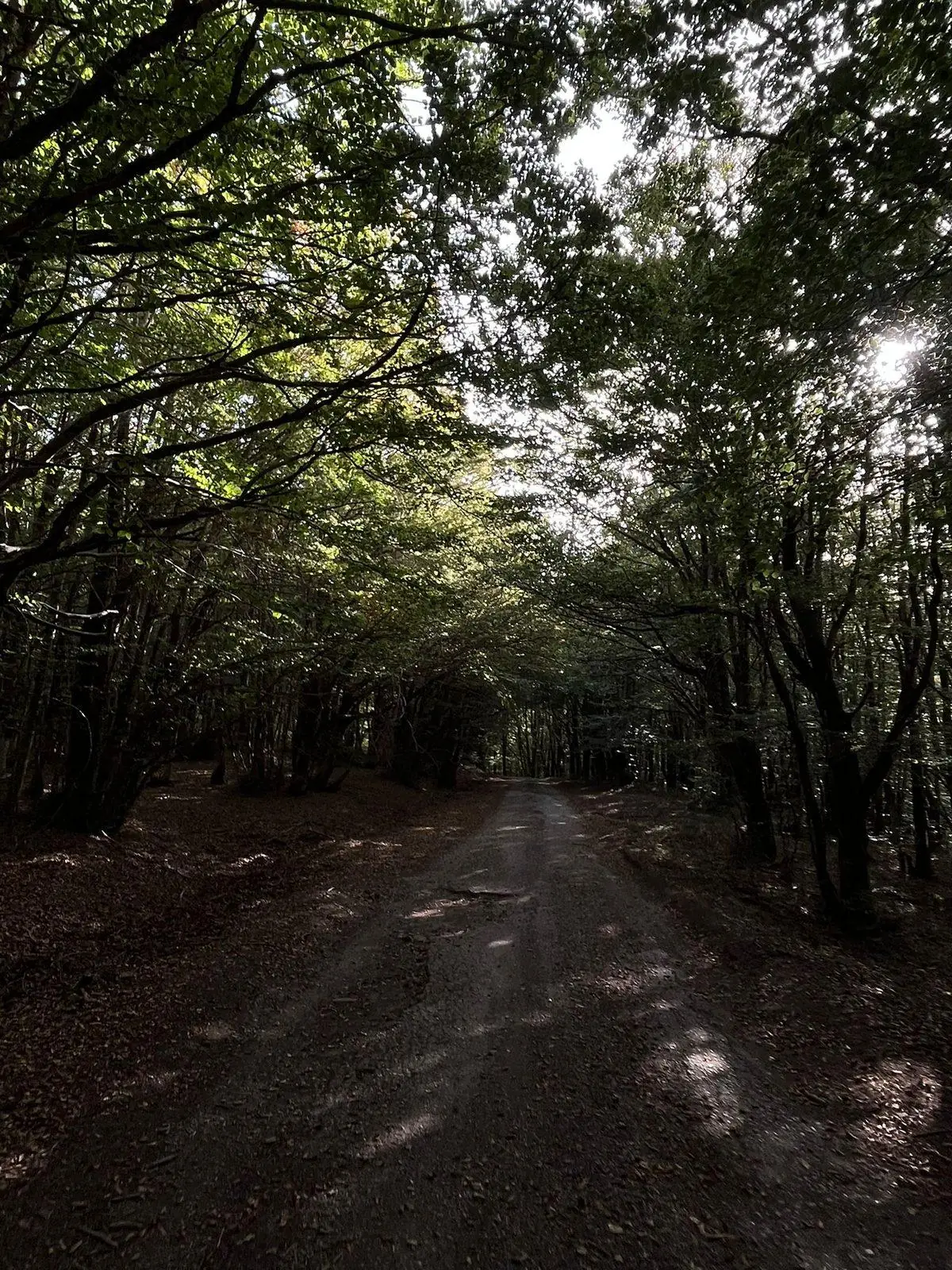
Counter-intuitive but true: the mountains don't depend on the sea. With low cloud the Monte Soro beech forest becomes another place, and the Catafurco waterfall at Alcara Li Fusi runs at its fullest in autumn — in August it is often a trickle. Honesty about the limits, though: in heavy rain the dirt paths turn slippery and mountain roads become slow, so this is an outing for light rain and proper shoes, not for a cloudburst. The Nebrodi in a day →
The villages, which empty in the rain
San Marco d'Alunzio with its churches and local red marble, Mistretta with its stone palaces, Naso and Ficarra clinging to the ridge: these are towns made of narrow lanes and interiors — churches, parish museums, workshops — and in bad weather you see them with nobody around. The risk, declared here too: in winter many churches are shut outside Mass times, and not every museum opens every day.
The islands, when the sea is rough: no
Plainly, because the question always comes. When the sea is rough the private excursions are cancelled first, then the hydrofoils, then the ferries: if the plan was the Aeolians, rain and wind mean postponing, and that's no disaster. The Archaeological Museum of Lipari is one of the most important in the Mediterranean and a grey day would be perfect for it — but you have to get there, and that very day there may be no way. It's why a base on the coast handles bad days better than a base on an island. Sleep on the Aeolians or the coast →
And the plan that always works
A long lunch. Here that isn't a fallback, it's an activity in its own right, and in the Nebrodi farm restaurants it lasts three hours and opens with a table of antipasti that would do on its own. Sant'Angelo salami IGP, Nebrodi provola, black pork: these are the products that justify the journey, and rain on the window makes them better. What you eat here →
Frequently asked questions
How much does it rain in Capo d'Orlando?
Little in summer and a good deal in winter: the average is 2 rainy days in July and August, 3 in June, 7 in September, 8 in October and November and 10 in December, which at 104 mm is the wettest month. Summer downpours pass quickly; entirely grey days are rare before November.
What is there to do in Capo d'Orlando if it rains?
In town the Antiquarium and the pedestrian centre, walkable with an umbrella. Outside: Villa Piccolo, the house-museum where Lampedusa wrote part of The Leopard, twenty minutes away; Nebrodi villages such as San Marco d'Alunzio and Mistretta; and in light rain the Catafurco waterfall, at its fullest in autumn. Check museum hours before setting off: they are not continuous.
Can you swim the day after a storm?
You can, but the water stays cloudy for a day or two even under a clear sky, because the torrents empty into the sea and the sandy bottom is stirred up. If you want clear water for snorkelling or a boat trip, it is worth waiting a day.
Do the Aeolian day trips run in the rain?
With a rough sea the private excursions are cancelled first, then hydrofoils and finally ferries; rain itself matters less than wind. It is why, sleeping on the coast, a bad day is recovered in the Nebrodi or the villages, while from an island you wait at the harbour.
One email a month
A calendar of what actually happens here.
Village feasts, food festivals, when the boat trips start again, what the weather does in October. One email a month, written by us, with no offers and no hurry.
Keep reading
Staying in Capo d'Orlando: by the sea or in the centre?
It's the first question people ask when booking here, and the answer is disarming: in Capo d'Orlando the seafront and the centre are the same thing, because the main street ends on the beach. What actually differs is something else — the car.
What to do this evening in Capo d'Orlando
It's seven o'clock, the beach day is over and the question is always the same. Here's how an evening works in this town — which changes a great deal between July and November.
Capo d'Orlando on foot: three walks
«We have two hours — where should we go?» is the question we're asked most. Three routes you can walk without a car: the centre, the seafront out to the lighthouse and the lagoon, and the harbour circuit up to Scafa.
Related destinations: Capo d'Orlando, Nebrodi Park, Lipari.
The bad day
When it rains, breakfast runs longer.
We're in the centre: on wet days you walk down, eat slowly and wait for it to clear. The shared kitchen and living room are there for exactly that.
Direct booking, no intermediaries · See the rooftop →